Lifestyle and Diet Changes to Help Prevent Kidney Stones

For those who have ever developed kidney stones, they can remember the experience. The pain is unbearable and comes in waves until you have the stone pass through the urinary plumbing to be released out of the body. Up to 12 percent of people in American have kidney stones. If you have had a kidney stone, your likelihood of developing another within 10 years is 50 percent. Although there may be no sure way to prevent kidney stones, particularly those related to genetics, your combination of lifestyle and diet changes can help reduce the chances of developing the stones. If you show signs of kidney stones or your family has a history of having kidney stones, you want to consult Jonathan Pankow, M.D. of Houston Kidney Specialists Center to seek advice. You may want to follow these tips to minimize the chances of having kidney stones.

Jonathan Pankow, M.D.

Keep hydrated

You cannot underestimate the importance of water in your body. Drinking sufficient amounts of water or fluids can help prevent stones from forming. When you do not drink enough water, your urine is more concentrated, meaning it is less likely to disperse or dissolve urine salts responsible for causing stones. You may also want to drink fresh orange and lemon juice; they contain citrate that can help prevent stones’ formation. Try drinking enough fluids that can allow you to pass about two liters of urine. Drinking eight glasses or so of fluids daily can help.

Eat calcium-rich foods

Kidney stones are formed from different substances, one of them being calcium-oxalate. This makes people believe that they need to avoid eating calcium. This is a misconception because your body needs calcium, and in fact, a low-calcium diet may increase a person’s risk of developing kidney stones as well as suffering from osteoporosis. You may want to talk to your doctor about taking calcium supplements because they can increase an individual’s risk of having stones. Low-fat cheese, low-fat milk, and low-fat yogurts are good sources of calcium.

Reduce your sodium intake

A diet with high amounts of salts can increase a person’s risk of having kidney stones. Too much salt in an individual’s urine prevents the reabsorption of calcium from the urine back to the blood. You may have urine with high calcium amounts, something that can contribute to kidney stones. Low amounts of salt in your diet keep the calcium levels in urine low. This lowers your risk of having stones.

Eat food with fewer amounts of oxalate

Oxalate is a natural substance you find in foods and it binds with calcium within the urine, forming kidney stones. When you limit the amount of oxalate you eat, it helps prevent stones. Foods containing high amounts of oxalates include chocolate, coffee, spinach, soy products, beets, sweet potatoes, and peanuts. Something to mention here is that eating calcium-rich foods alongside high-oxalate foods makes it harder for kidneys stones to form. The reason is that calcium and oxalate bind together within the digestive tract before reaching the kidneys.

These are some of the things you should do to help prevent kidney stone formation. There are other tips to help you including eating less animal protein and avoiding vitamin C supplements. Consult your kidney specialist to help you keep kidney problems at bay.
Understanding Leg Ulcer Symptoms and Treatment

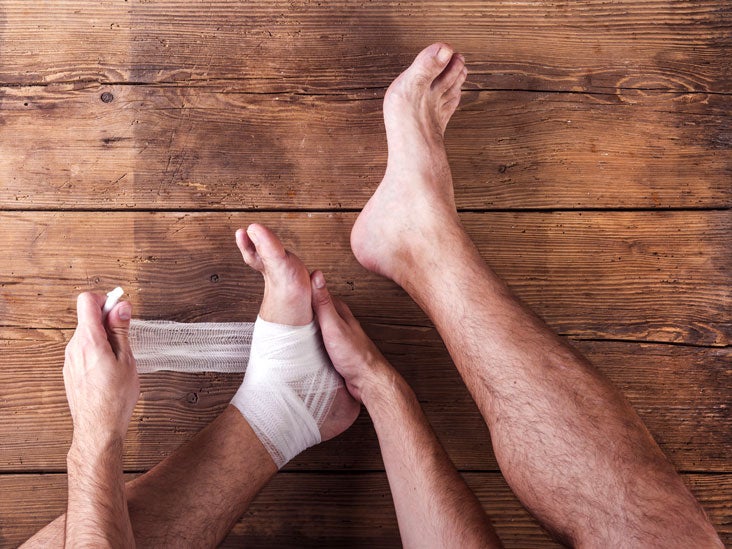
It is never a wise idea to ignore sores on your leg, especially those that will not go away soon. Sores that get red and may weep fluid should never be ignored as they may be venous leg ulcers, and ignoring them can lead to more severe complications. Leg ulcers are open wounds or unhealed sores which, without treatment, could keep recurring. Leg ulcers are most common due to poor circulation of blood, but they can also be attributed to several ailments. They are most prevalent among women; however, they can attack men too. If you are suffering with a leg ulcer in Chalmette, early treatment can avoid further complications.

leg ulcer in Chalmette

What Causes Leg Ulcers?

The chances of one developing this condition increase with age, and also it can be hereditary. This means that if your parents, for instance, have them, you are also more likely to develop them. Other than these factors, many other causes can bring about the condition, which include:

  • Poor blood circulation
  • High cholesterol
  • Diabetes
  • Kidney disease
  • Heart disease
  • Smoking
  • High blood pressure
  • Some infections
  • Increased pressure in the legs

The visible, swollen veins on the leg, also known as varicose veins, are also associated with leg ulcers. In most cases, a compilation of untreated varicose veins brings about leg ulcers. Nonetheless, two conditions are seldom found together.

What are the symptoms of leg ulcers?

There are various symptoms of leg ulcers. Since there are also many causes of this condition, the symptoms may be different for each individual. Though they are painful in most cases, there are rare cases whereby they don’t manifest with pain. The latter is due to nerve damage, usually from unmanaged diabetes. The lack of pain on these sores is one reason most people misdiagnose themselves; thus, they fail to have the condition diagnosed by a specialist. If these sores present with the following symptoms, it will help if you seek medical attention.

  • Open sores
  • Pus on the sores or affected area
  • The wound increasing in size
  • Experiencing pain in the affected area
  • Swelling of the leg
  • Enlarged veins
  • Heaviness in the leg and generalized pain

How is leg cancer diagnosed?

A specialist usually carries out a physical examination of the sore, followed by a test to diagnose the leg ulcer. These tests and examinations help them to determine the underlying cause of the leg ulcer. In most cases, the doctor can differentiate between a leg ulcer and a regular sore on your foot by just looking at it. From there, doctors usually recommend several other tests to come up with the right treatment plan, including the following:

  • CT scan
  • X-rays
  • MRI scan
  • Noninvasive vascular studies using ultrasound

Treatment of Leg Ulcer

There is a need for treatment of leg cancer if you are to prevent infection and relieve pain. The treatment also sees that the wound does not grow bigger. When the wound is draining pus, you most likely have an infection and will be treated using antibiotics to stop further infections. At the Cardiac and Peripheral Vascular Services office, you will get treatment for leg ulcers plus other services such as atrial fibrillation, cardiac intervention services, spider vein treatment, and more. Book an appointment with your doctor to learn more about leg ulcers.

How to Cope With The Emotional Stress From Infertility

Infertility is not an easy situation to handle; it comes with a lot of stress. The psychological stress women with infertility experience are similar to those experienced by women coping with serious illnesses like chronic pain, HIV, and cancer. Men facing infertility challenges are at risk of having depression, decreased self-esteem, sexual dysfunction, and anxiety. The psychological effects tend to occur regardless of whom, between the man and woman, is infertile. For women experiencing infertility and the associated emotional stress, they may want to consider seeking help from a Houston infertility specialist to find out solutions and treatment to the problem.

Houston infertility

One way to help you is first to acknowledge your feelings and then try to identify the issues or things contributing to the most stress. When you identify these issues, you can start devising coping strategies to help overcome the feelings. So how do you go about coping with the stress associated with infertility in women?

Understand the emotional impact of infertility

You will realize that the emotions you experience regarding infertility tend to emanate from inside and outside. You will often find other people reminding you that your clock is ticking because they cannot see you with kids. They do not understand the situation you are going through. You need to try separating the feelings you have and your expectations from those compelling you to have kids. You may be comparing yourself with your peers who already have kids. When this happens, it will ignite and fuel the feeling of anxiety and self-doubt. Between you and your significant other, you may be facing struggles and drifting apart. Some couples may face their infertility problem together, bringing them closer as they try to find solutions.

The need to identify your feeling

Emotions linked to infertility are often not due to one thing; several other factors can contribute to the stress. So, you need to identify as well as name the kind of emotions you have. You could be feeling guilty, having feelings of loss, being jealous or angry, feeling shameful, having feelings of inadequacy or failure, or having a loss of self-esteem. After you identify the feelings you have, consider what they are all about. Look at where they are coming from. Check to see to whom the fears and stress you are experiencing are directed to. Is it your family, your spouse or the community you live amongst? These are some of the things you need to ask yourself to help avoid experiencing emotional turmoil.

Seeking support

Seeking support and talking openly about your infertility problems can help you cope with the psychological distress. Reach out to support groups. Seek a professional counselor. Your OB/GYN may also help you find the way forward.

Knowing what to do when facing infertility problems can help you cope with the stress and anxiety it comes with. You can seek help from professionals to help improve your quality of life and protect your relationship. An OB/GYN may also help with treatment that may be needed.

Benefits of Viscosupplemental Gel

The city of Frisco, Texas has clinics that are on the cutting edge of medical progress. A good example is Frisco viscosupplemental gel used in pain management clinics.

Osteoarthritis is a condition that affects millions of people in the United States. Viscosupplementation is a treatment that is used to treat joint pain in people with arthritis.

Frisco viscosupplemental gel

Viscosupplements are doses of hyaluronic acid that are injected into the knee and into the synovial fluid. The supplements are meant to increase the effectiveness of synovial fluid, which reduces friction in joints.

Viscosupplementation is a relatively new treatment that is gaining traction all over the country due to its benefits. The following are some of the benefits offered by viscosupplementation:

1.  Minimally Invasive Procedure

The most common solution for advanced joint issues is surgery and other invasive procedures that aim to rectify the issue from within the joint. Viscosupplements are a much less invasive alternative to these procedures.

There will still be a level of invasion since the viscosupplemental gel has to be injected into the joint. However, this is much less invasive than surgery.

Such a minimally invasive procedure offers significantly less risk than surgery. You are also able to recover faster from the procedure than with the other methods.

2.  Long Term Pain Relief

The pain one feels when there is too much friction in a joint is debilitating and it may restrict all movement. Most pain relief methods aim to only relieve the pain in the short term.

Viscosupplementation is a method that offers longer term results. You will need to undergo weeks of injections done at regular intervals for treatment.

The pain will gradually diminish and you should feel a tremendous change in pain levels after eight weeks. You can enjoy the pain relief methods of viscosupplementation for up to six months after treatment.

3.  Increased Range of Motion

The main purpose of a joint is to facilitate the movement of certain body parts. As stated above, when you have arthritis and chronic pain, movement is severely limited.

Viscosupplements help reduce the friction between various parts of a joint. The result will be that you are able to experience a wider range of motion than you otherwise would.

Being able to move more and with comfort is a significant benefit of viscosupplemental gels. It will particularly benefit people who like to exercise, play sports, or engage in vigorous physical activities as they will be able to move freely and perform efficiently.

4.  Less Disruption to Your Lifestyle

A session of viscosupplementation treatment rarely takes more than thirty minutes since it involves making strategic injections into certain joints. Therefore, you do not have to take significant time off as you would with surgery or joint replacement.

Moreover, the injections happen gradually over the course of several weeks so you can easily change your lifestyle to suit the treatments. There is also no significant impact on your body.

Top Causes and Risk Factors of Dry Eyes

When you have severe fluctuations causing an imbalance in tear secretion and flow, you are prone to develop dry eyes. As a result, you may have trouble producing sufficient tears. In some instances, your eyes may make tears but with a reduction in quality. Dry eyes can be problematic, reducing your ability to see your surroundings, with a lower tendency of keeping your eyes clear and free from harmful surface matter. Dr. Iftikhar Chaudhry in Hamilton can help you restore better quality and quantity to the fluid in your eyes.

Dr. Iftikhar Chaudhry in Hamilton

For proper diagnosis, several factors can place you at a higher risk of developing dry eyes:

1. Your Age

Your eye meibomian gland function reduces as you age. With reduced structure and function, the glands minimize the film’s secretion over your eye surface.

The blocked glands spread over your eyelids, increasing your risk of developing the condition. The blocking is known as Meibomian Gland Dysfunction (MGD).

2. Gender Classification

If you are female and fifty years and older, you are at a higher risk of having dry eyes. Reaching menopause also increases your probability of developing dry eyes.

3. Certain Ailments

In some instances, you have a higher risk of developing dry eyes if you have certain conditions. These diseases can include arthritis, thyroid disease, and lupus. You may also have blepharitis, where your eyelids suffer from extreme irritation and redness.

Another cause is if your eyelids turn in, known as entropion. The eyelids can also turn out, also known as ectropion. Furthermore, some medications can also lead to dry eyes. These may include antihistamines, heartburn suppressants, beta-blockers for high blood pressure, and even anxiety medication.

Undergoing eye surgery that is high refractive can also lead to dry eyes. The surgery can include laser eye surgery and also cataract-removal surgery.

4. Harsh External Exposure

When you expose your eyes to unfavorable external conditions over a long duration, dry eyes are bound to happen. It may include too much light from long hours on end from television or your laptop. As a result, your eyes have a decreasing ability to blink effectively. With less blinking rates, your eye glands that produce tear oil have lower functionality. The resulting product is inadequate tear secretion, causing dry eyes.

Additionally, if you have continuous exposure to smoke, dust particles, and even extreme wind, you may also develop dry eyes. You can also create this condition if you wear contact lenses for too long without giving your eyes some time off.

Consult with your doctor to check your eyelids structure and the quantity and quality of tears your eyes make. Furthermore, they can also check how long your tears take before drying up to make a proper diagnosis.

If you have insufficient tears, do not hesitate to inform your ophthalmologist for treatment. The options can include eye drops that act as a replication of the function of natural tears.

It would also be better if you avoid the external surroundings that will worsen your condition.

Causes and Complications of Osteomyelitis

Osteomyelitis is an infection of the bone. The bone can acquire an infection from nearby tissues or the infection can travel from a distant site to the bone through the bloodstream. Some people in Mason who have osteomyelitis do not have any symptoms. The symptoms of osteomyelitis include fever and chills and the area that is affected feels warmer than the surrounding areas. The condition also presents with fatigue.

The severity of the symptoms varies in different people and sometimes these symptoms can be non-specific and mimic symptoms of other diseases. In Mason, joint pain can be caused by osteomyelitis occurring in the joint, especially in elderly people or after trauma to a joint. If you have any of the symptoms of osteomyelitis, it is important to see a doctor who will take your medical history and examine you to come up with a diagnosis. The doctor will also order some laboratory tests and prescribe treatment for you.

Given below are some of the factors that can cause osteomyelitis:

1.  Bacterial Infection

Osteomyelitis is mostly caused by the staphylococcus bacteria. These bacteria can travel from the lungs or other areas in the urinary tract through the bloodstream to a part of the bone. These bacteria can also reach your bone after an injury to the overlying skin or after you get an open bone fracture. Sometimes these bacteria can also reach the bone during surgery of the bone if sterile conditions were not maintained in surgery.

2. Disorders of the Circulatory System

The blood contains white blood cells that fight infections and this helps in the healing of wounds. If you have a problem with blood supply where your blood vessels are affected by diabetes, arterial disease, or even sickle cell anemia, the blood supply to an area of injury will be interrupted. This can delay the healing of ulcers because there are no blood cells to support healing. This can make an infection spread from the skin to the bone.

3. The Use of Intravenous Catheters or Lines

When you have a severe infection, the doctor can recommend that you get intravenous medications. These help to promote faster healing. However, the devices that are used to deliver these medications may be contaminated with bacteria that can cause osteomyelitis. Some of these instruments include urinary catheters and the tubes that are used in dialysis.

4. Having a Weak Immune System

When your immunity is weak, your body will be unable to fight the infections and you may be at risk of osteomyelitis. Some of the conditions that can weaken your immunity system include HIV, or using medications that attack your immune system like chemotherapy and corticosteroids. Your immunity can also be weak if you have diabetes that is poorly controlled.

5. Sharing Sharps

You can introduce infections to your bones if you share needles. This is most common for people who inject illicit drugs. They mostly share needles because they cannot afford new ones. These people rarely sterilize their skin before injecting the drugs.

In summary, osteomyelitis is an infection of the bone that presents with fever, fatigue, and pain in the affected area. The infection can reach the bone from the bloodstream. Other causes of osteomyelitis include using infected catheters, having cardiovascular diseases, and sharing needles. It is important to seek treatment for the condition to restore bone function.

Things you Probably Didn’t Know About Root Canals

Good oral hygiene accompanies a happy and productive person. However, even with the best care of your teeth, you may still notice an inflamed or dead tooth.  An inflamed tooth might prevent you from doing the things you love the most due to sharp pains. Painkillers only offer a short relief to your condition; that is why you need to visit a place that offers root canals in East Village. East Village Dental Center allows you to have the bad tooth repaired to bring back those happy moments.

root canals in East Village

What is a root canal procedure?

The root canal is a teeth procedure that helps repair the inflamed or dead tooth in your mouth. The process today is less invasive due to the technological advances in dentistry. Therefore, when you visit the East Village Dental Center, you get a less invasive procedure which is almost painless. The process resembles teeth filling, and you will walk out feeling comfortable.

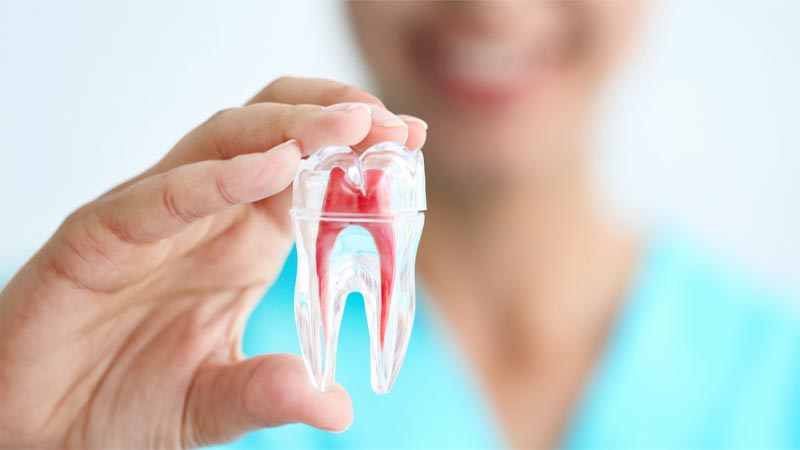
 A root canal procedure at East Village Dental Center involves removing the inner tissues in your tooth. The inner tissue majorly consists of the pulp, which becomes inflamed, dead, or infected. Your dentists at East Village Dental Center begin the procedure with an x-ray to understand the extent of damage to your tooth. Further, your dentist will numb the regions outside your teeth and create a hole that reaches the pulp.

Your physician uses a Microscope to increase the activity’s precision to ensure they remove all the infected parts of your teeth. Your dentist will then cover the pulp and the holes drilled with a rubbery material to prevent new infections.

Am I the right candidate for a root canal?

The first sign that you need a root canal is a pain in the mouth. However, other signs that you need to watch out for include:

  •  Spots or pimples on the gums
  •  Gums turning dark
  •  Inflamed gums
  •  Sensitivity to hot and cold drinks
  •  Pus or fluid from the gums

Sometimes, you may need a root canal from an injury to the mouth that damages the pulp. However, you may require a root canal without any physical damage to your teeth in some cases. East Village Dental Center offers a tooth examination to determine whether you need a root canal procedure.

How Long Do Root Canal Surgeries Take to Recover?

Once your dentist completes the root canal procedure, you will notice a sudden relief from pain. However, the anesthesia will have a mild effect on you, as you might feel uncomfortable. The doctor will suggest a non-prescription drug to ease the pain while waiting for the wound to heal.

After the procedure, your dentist will give you the care guidelines to take care of your healing tooth. It would help if you avoided crunchy food for several days after the procedure. However, after healing, you can go back to using your teeth normally.

Cracked or inflamed teeth are uncomfortable and painful. However, with new dentistry developments, you can have a root canal procedure at East Village Dental Center to care for the pain.

Breast Augmentation: What You Need To Know

Every woman dreams of having sturdy breasts that attract not only attention but also mood. However, age and natural factors can influence the sturdiness of your breasts. The Peak Plastic Surgery Center specialists have been helping women achieve their beauty goals by giving their breasts a redefinition that uplifts confidence. Your Denver breast augmentation services provider uses cutting-edge technologies and modern surgical methods to ensure natural-looking results in every operation.

Denver breast augmentation

Secrets you didn’t know about breast augmentation

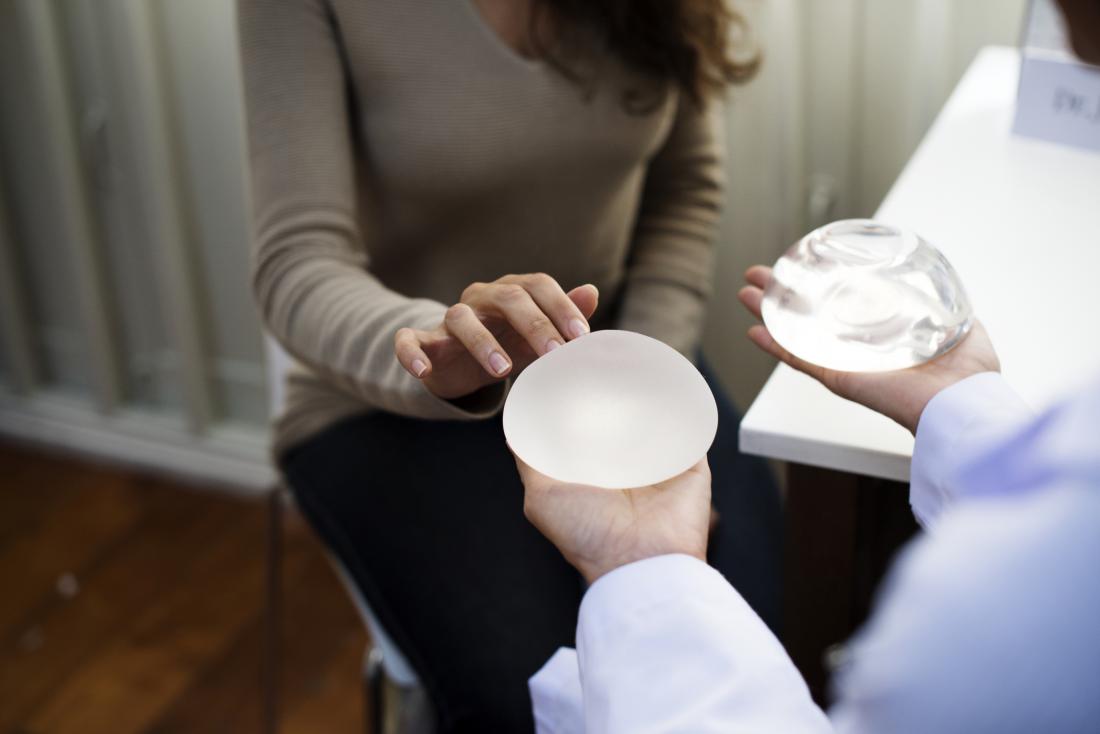
The breast augmentation procedure offers you a second attempt at addressing the size, skin, nipple position, or shape of the breasts. Dr. Barker has many techniques helpful in managing any of your breast concerns. When you walk into Peak Plastic Surgery Center, you will get various breast implants to help your breasts remain sturdy and attractive.

Why you should have a breast augmentation procedure

As a woman, you have many life goals, and beauty is often at the center of it all. Peak Plastic Surgery Center has consultation services where you can talk with your doctor about your surgery’s goals and expectations. The breast augmentation procedure will help increase the size of your breasts to the desired shape. Additionally, you can reshape your breasts to change the nipples’ position. Doctor Barker can also help you reduce your breasts’ size to the desired point to help you minimize attention and possible controversy they create.

What to expect during a breast augmentation procedure

Doctor Barker will first anesthetize you to increase comfort during the procedure. The augmentation procedure takes about an hour, and it is an in-office procedure. After the procedure, your doctor will give you several precautions to relax and heal much faster. You will receive a surgical bra that will help you cope in the proceding six weeks after the surgery

Post-surgery care after a breast augmentation procedure

Peak Plastic Surgery Center offers checkup services to help you cope or report any development that seems out of place. After the surgery, Doctor Barker will close the incisions points using dissolvable sutures. Additionally, your doctor will sterilize the regions of incisions to keep away germs. You will have to wear the post-surgery dressing until the post-operative visit, usually one week after the augmentation surgery.

Precaution to take after a breast augmentation surgery

The delicacy of the procedure requires you to take many precautions after the surgery. The most special precautions include:

  •  Wearing a no-wire surgical bra in the first six weeks of the surgery
  •  Taking care when showering; you can shower during the first day of the surgery
  •  You will also need to take over-the-counter medications such as Ibuprofen and Acetaminophen to help you  calm down during the painful phases
  •  The stitches and dressing’s delicacy demands that you avoid strenuous duties for about 4-6 weeks after the surgery.

Breasts are at the center of a woman’s life, and having the best will improve your mood and ultimately your productivity. Visit Peak Plastic Surgery Center to have your breasts redefined to your desired shape and size.